
Revising a Draft
Learning to See Anew

One of the rookie mistakes made in nonfiction writing is failing to understand the nature of revision (we’ve all been there). The multi-stage, iterative process of going from a glimmer of an idea to final product is a craft that takes time to learn, practice, and hone.
While there are many layers to this process, I’m focusing here on the revision component.[1] You know, that’s the part that comes between drafting and copyediting and waaaay before proofreading.[2] You didn’t know? It kind of goes like this….
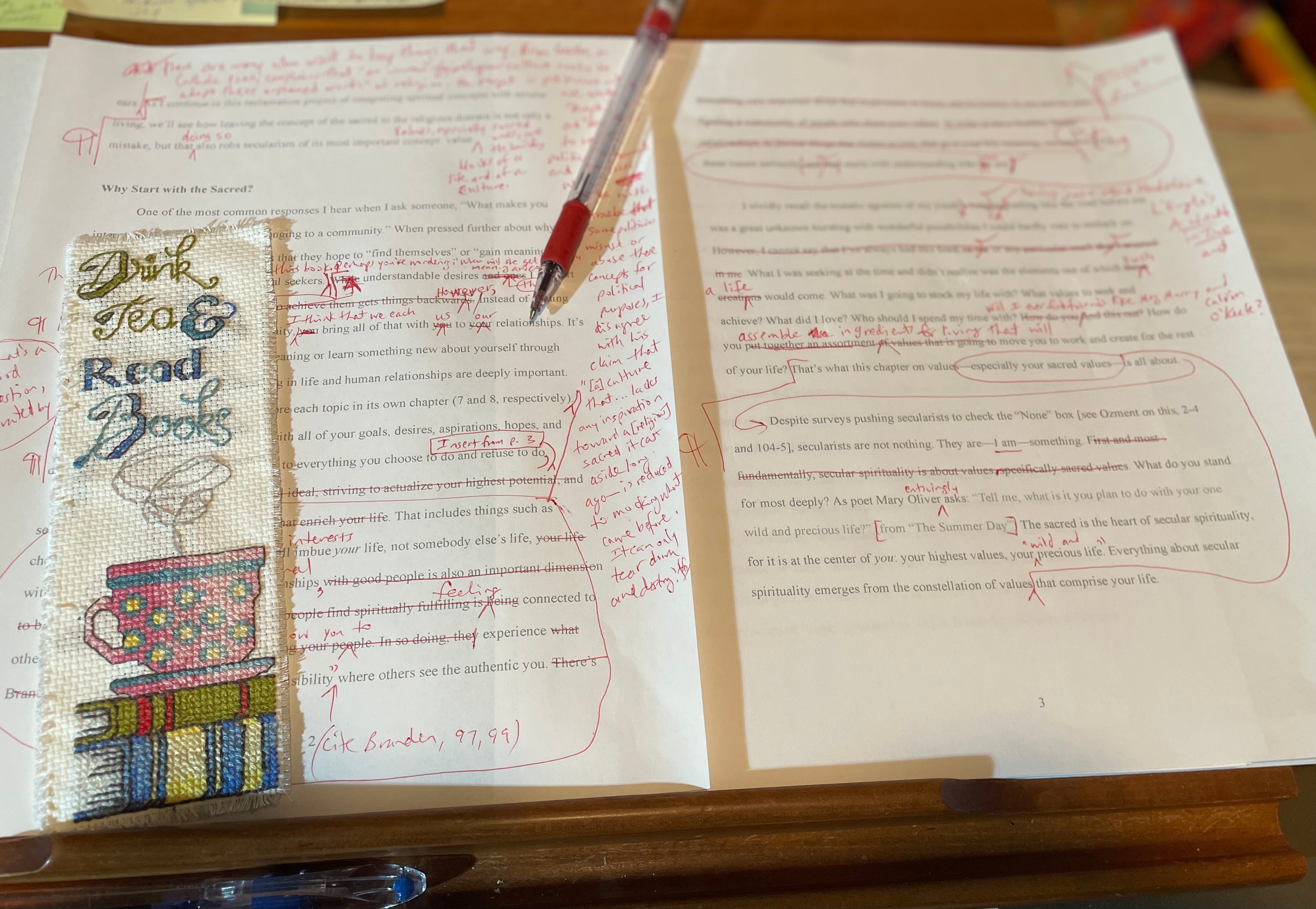
Once you’ve drafted a piece of writing, be it an essay, a blog post, or a book, it’s highly advisable to set it aside for a time. You need a break to get distance and some perspective on it. It’s even better to share it with beta readers or someone else you can trust to give you candid feedback.
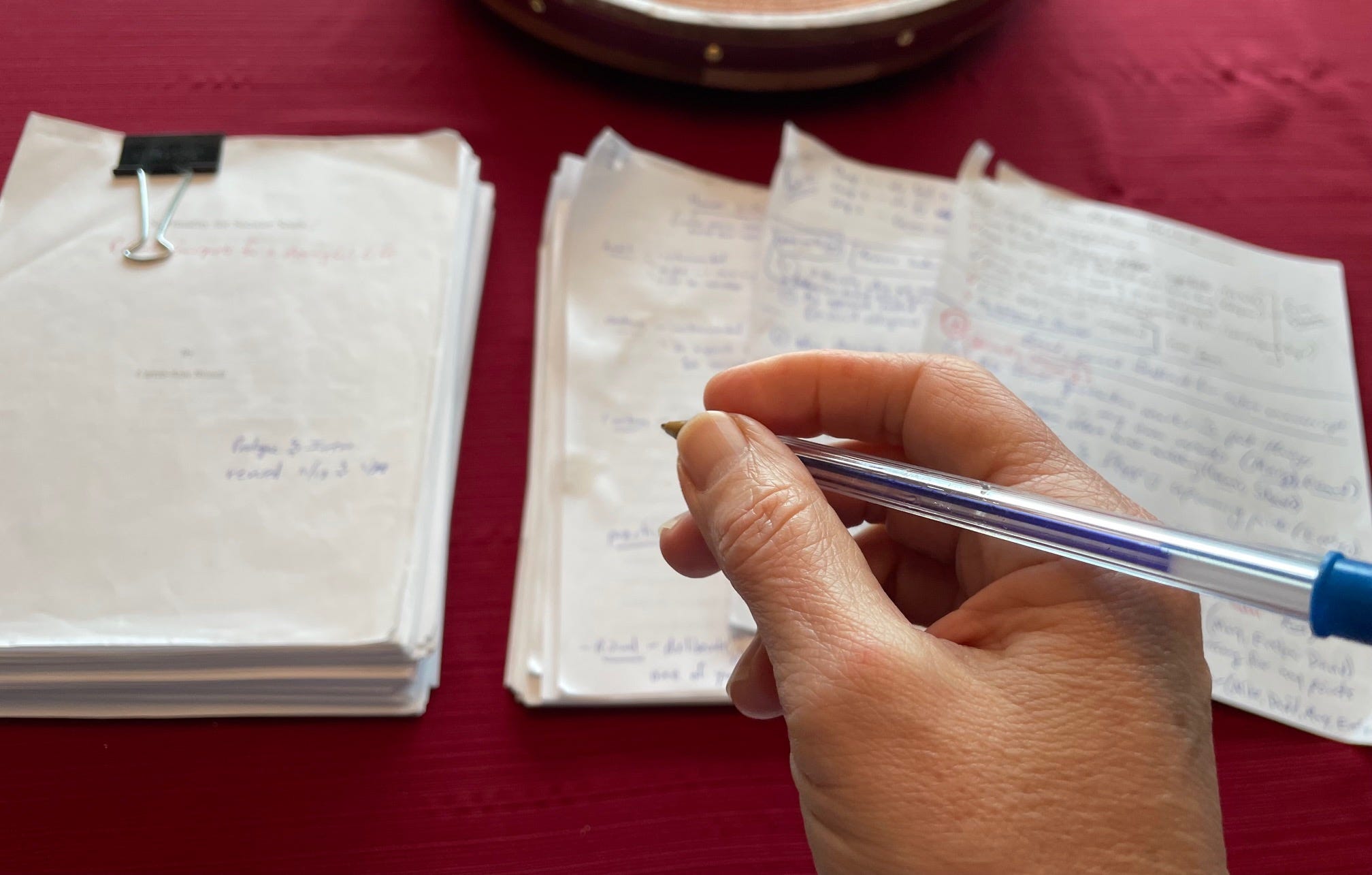
You’re now ready to return with fresh eyes to revise your draft. That is, to engage in re-vision. To re-vise means to see again or see anew. Any number of things can occur at this point, especially in light of feedback from insightful readers. I’ll start with the most radical one and end with the easiest revision tactic:
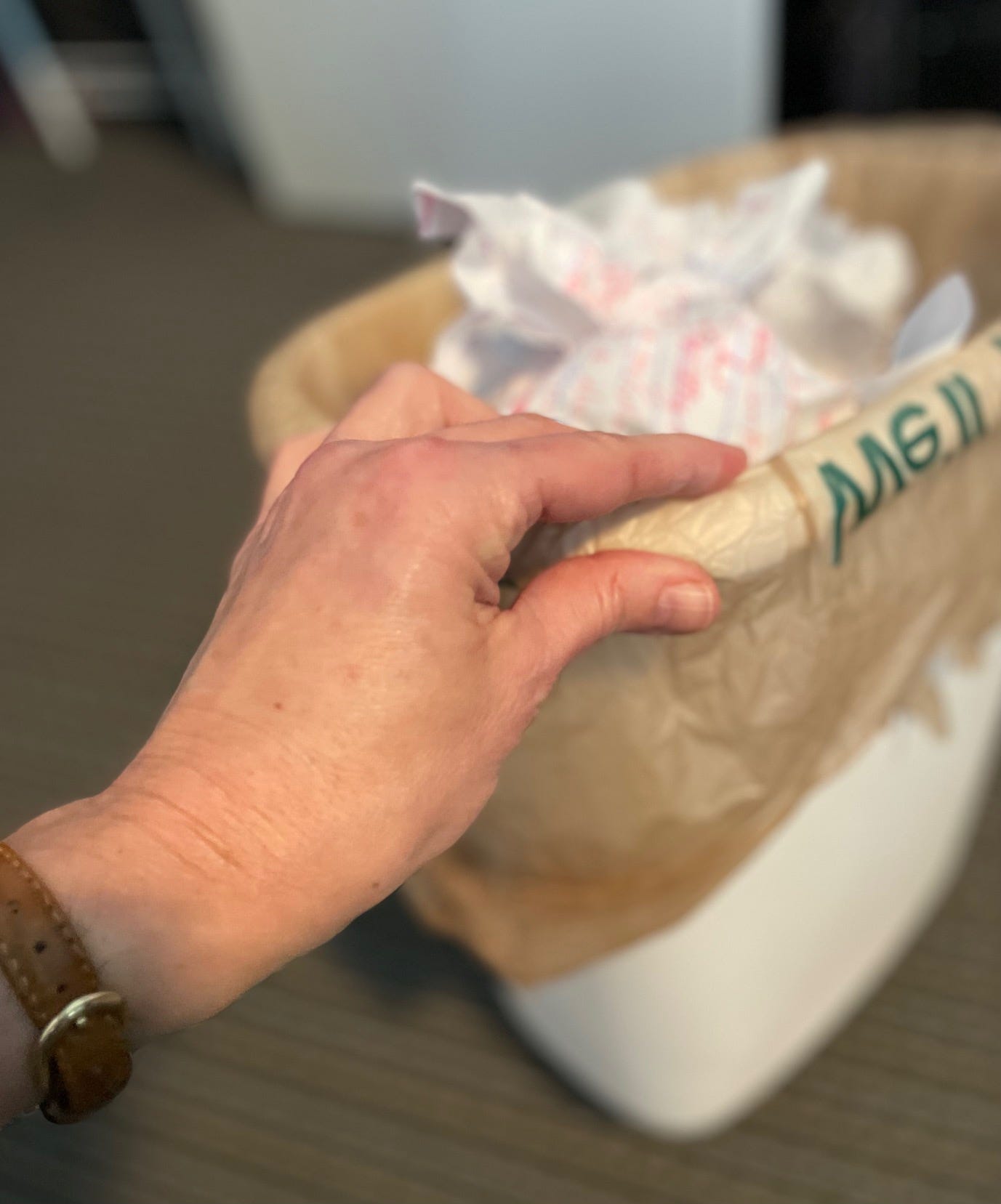
You throw out the draft and start over. Whaaaattt??? Yes, this may be best. (See photo below for where many of my half-baked ideas end up, much to all our benefit.)
You don’t need to throw it all out, but the material is a mess of “promising insights” with some malarkey mixed in. This will warrant the dreaded reverse-outlining step.[3]
You need to rearrange some material to get it in a more logical flow of ideas.
You need to develop some points and/or illustrate them with examples.
You need to delete tangential points or at least move those to a footnote.
I cannot emphasize enough that going from drafting directly to copyediting (or goodness forbid proofreading) is a mistake. First, you’d miss out on digging deeper to mine your ideas for the gold lurking beneath the surface of the draft. Second, if you spend a lot of time copyediting your sentences for meaning, style, precision, and clarity and then those golden insights for revision hit you, you just wasted spent time copyediting material that will either be ripped apart or deleted entirely.
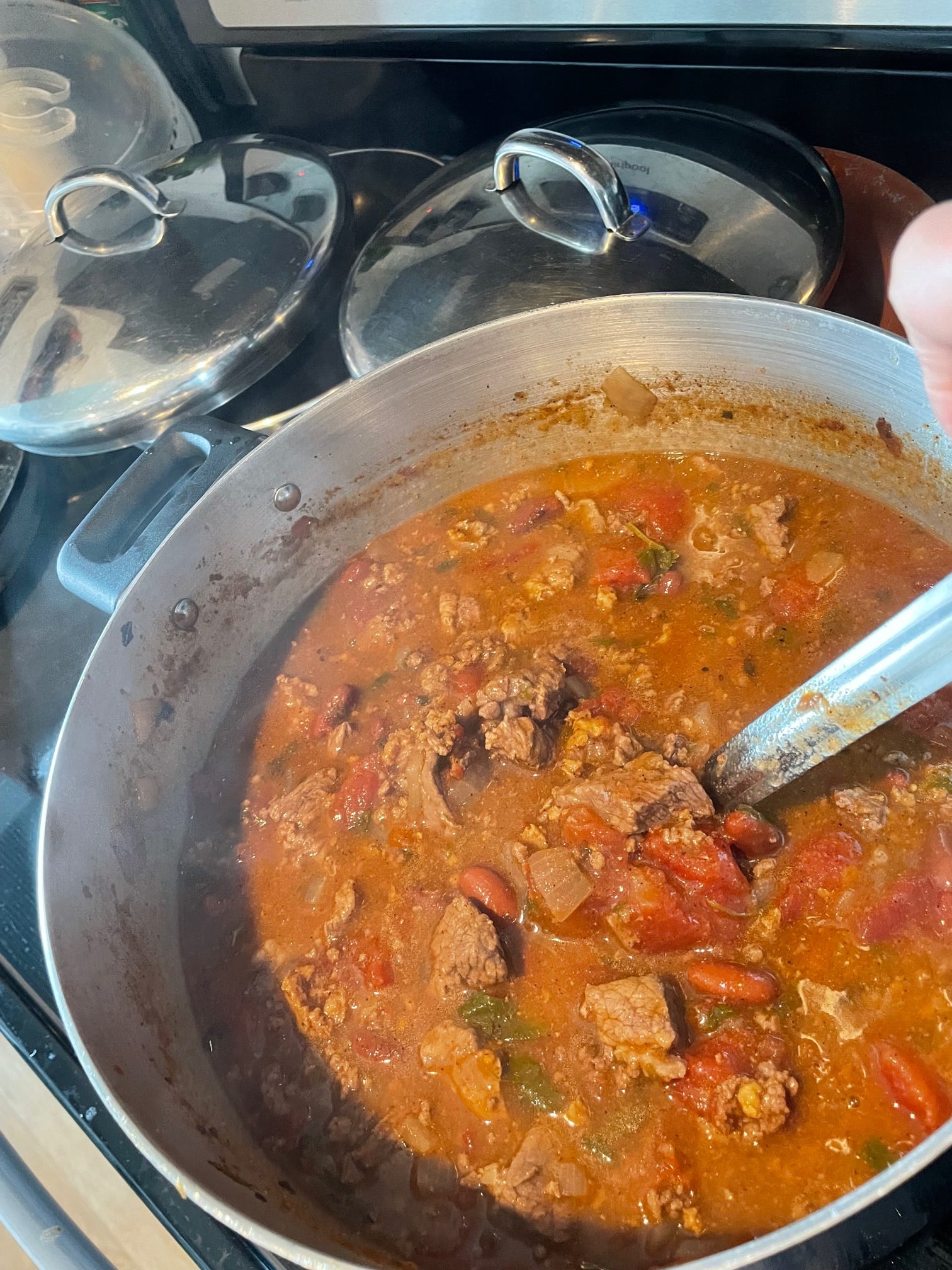
A final note of caution: Don’t let “the perfect” be the enemy of the good. The revision stage is not an endless process (though it sure can feel that way sometimes) nor is its aim to make your work the “final word” on the topic. It allows time for your thoughts to simmer on the back burner of your mind. Combined with helpful feedback from thoughtful folks, re-vision unlocks subtle, aromatic notes of ideas that would have otherwise been lacking.
[1] This is mostly because I just spent six intense weeks revising the first full draft of my book on secular spirituality, so the work involved in revision is fresh in my mind.
[2] Well, technically, it’s the part that comes between reverse-outlining and copyediting, but reverse-outlining is a big topic for another day.
[3] I needed to do this for chapter 2 of my book draft, but again, reverse-outlining will be a topic for a separate post. I promise. Tim White knows what I’m talking about!
Love seeing those images of revised pages. You have the courage of the red pen! Props! It is really so satisfying to do that, over and over and over, until the work becomes crystal clear. Print out clean draft: work it and work it and work it and work it, in the margins in on the backs, with circles and arrows and cross-references, until there's no place to work at anymore and it's hard to follow what you've done. Then type it all in, print out a clean copy, and do it again. It's almost meditative sometimes.
Thanks for the reminder! In my excitement of first drafts I am typically blind to my gross errors. The longer I spend on anything without a break, the blinder I become. Like staring at one color too long, its complimentary opposite starts to take over and you may even start to see gray.